
The Mobsters of Las Vegas
Lukas
When we think of Las Vegas, images of dazzling lights, world-class entertainment, and sprawling casinos immediately come to mind. It's a city synonymous with excitement and the pursuit of fortune, a global hub for gambling and tourism. However, the glittering facade of Sin City hides a fascinating, often turbulent, past deeply intertwined with the shadowy world of organised crime.
For decades, particularly during its formative years, Las Vegas was a frontier town, a place where rules were bent and fortunes were made – or lost – through less-than-legal means. The immense profits generated by gambling made it an irresistible target for various mafia groups, transforming it into a battleground for power, influence, and illicit wealth. These figures weren't just criminals; they were often shrewd businessmen who saw the potential in the Nevada desert, laying the groundwork for the entertainment capital we know today.
While New Zealand's gambling landscape is strictly regulated and transparent in 2025, the historical narrative of Las Vegas offers a captivating glimpse into a bygone era where the lines between legitimate enterprise and criminal activity were often blurred. Let's delve into the stories of some of the most notorious mobsters who left an indelible mark on Las Vegas.
The Architects of Vice: Notorious Figures in Early Las Vegas
The early days of Las Vegas were a wild west of opportunity, attracting individuals with grand visions and, often, questionable ethics. Many of these figures, with deep ties to organised crime syndicates across the United States, played pivotal roles in financing, building, and operating the city's first major casinos. Their influence shaped not only the physical landscape but also the very culture of Las Vegas.
Johnny Roselli: The Hollywood Connection
Born in Italy, Johnny Roselli immigrated to the United States in the 1920s, quickly establishing himself within the Chicago and Los Angeles crime families. His role in Las Vegas was primarily as a representative, ensuring that a percentage of casino profits flowed back to his mob bosses. Roselli was more than just a collector; he was a smooth operator with a flair for the dramatic, famously venturing into the burgeoning Hollywood film industry as a producer, even financing some of the earliest gangster movies.
His life wasn't all glamour, however. Roselli was also implicated in a notorious card-cheating scandal at the exclusive Friar’s Club, showcasing his involvement in the seedier side of high-stakes gambling. His story is a testament to the mob's reach, extending from the backrooms of casinos to the bright lights of Tinseltown.

Tony Accardo, aka ‘Joe Batters’: The Enforcer
Hailing from Chicago, Tony Accardo began his criminal career at a young age, rising through the ranks to become a formidable leader. His involvement in Las Vegas was less about the glitz and more about control. Accardo ensured that many of the city's casinos exclusively used his syndicate's slot machines and gambling equipment, effectively monopolising a significant revenue stream.
His chilling nickname, ‘Joe Batters,’ was reportedly bestowed upon him by Al Capone himself, after Accardo brutally murdered three men with a baseball bat at a dinner party. This incident underscores the violent undercurrent that often accompanied the mob's expansion into the lucrative Las Vegas gambling market.
Tony Cornero, aka ‘The Hat’: The Maritime Gambler
Tony Cornero's criminal career began during the Prohibition era, where he made a name for himself smuggling Canadian whiskey into California, cleverly using a shrimping business as a front. His entrepreneurial spirit soon led him to Las Vegas, where he and his brother opened The Green Meadows, one of the city's earliest roadside casinos.
The Green Meadows was a roaring success until a New York gangster demanded a share of the profits. Cornero's refusal led to the casino's demise, but his ambition was far from extinguished. He became legendary for operating “gambling ships” off the California coast. At a time when land-based casinos were illegal, Cornero exploited a legal loophole: gambling was only prohibited within a few miles of the shore. His floating casinos offered a unique, albeit illicit, gambling experience until authorities eventually closed them down. Cornero's ingenuity in navigating legal grey areas highlights the lengths to which these figures would go to capitalise on the public's desire to gamble.
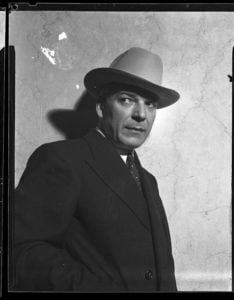
Moe Dalitz: The Visionary Builder
Like Cornero, Moe Dalitz also started his illicit career trafficking alcohol during Prohibition, using his family's laundry business as a cover. However, Dalitz's impact on Las Vegas was far more profound and enduring. He was instrumental in transforming the iconic Desert Inn hotel into a thriving casino, a move that cemented his status as a major player in the city's development.
Dalitz's vision extended beyond single establishments. He partnered with Tony Cornero to construct the Stardust Resort and Casino, another landmark property. Beyond gambling, Dalitz was a significant real estate developer, contributing to the construction of hospitals, country clubs, and shopping malls. His story exemplifies how some mob figures transitioned from purely criminal enterprises to becoming influential, albeit controversial, civic developers, shaping the very infrastructure of Las Vegas.

Moe Sedway: The Flamingo's Financial Backer
Moe Sedway, a Polish gangster, is perhaps best known for his crucial role in the financing and development of the legendary Flamingo Hotel. This iconic establishment, often associated with Bugsy Siegel, would not have come to fruition without the financial backing and connections provided by figures like Sedway. He was also a key operative for Meyer Lansky, controlling the lucrative Trans-American wire service, which was vital for sports betting operations across the country.
Sedway's story highlights the intricate web of financial arrangements and power dynamics that underpinned the construction of Las Vegas's most famous resorts, demonstrating how mob money and influence were essential in transforming the desert into a gambling oasis.
A Legacy Etched in History
The stories of these mobsters, and many others, are more than just tales of crime; they are integral to the narrative of Las Vegas. Their ambition, ruthlessness, and sometimes surprising business acumen laid the foundation for what would become one of the world's most famous cities. While their methods were often illegal and violent, their impact on American history, particularly the development of the gambling industry, is undeniable.
Today, in 2025, Las Vegas operates under strict regulations, a far cry from its wild, mob-controlled past. The city has evolved into a corporate-run entertainment giant, but the echoes of its gangster origins continue to fascinate, inspiring countless movies, books, and documentaries. For those of us in New Zealand who enjoy a flutter at our local casinos or online, it's a stark reminder of how far the gambling world has come, from the shadowy dealings of the mob to the transparent and regulated environments we experience today.
Remember, whether you're exploring the history of Las Vegas or enjoying modern online casinos, responsible gambling is key. If you ever feel your gambling is becoming a problem, resources like the Problem Gambling Foundation of New Zealand are available to help.

the author
the author
Lukas
Head of Content
Head of Content


